Adapt or bleed yield: Why energy-efficient smart tech is essential in 2026
In the highly competitive UK build-to-rent (BTR) sector, the difference between a loss-making development and a market-leading asset can turn on operational agility. The good news is that the technology to address this is now here. To learn more about the intersection of smart operations, ESG, and resident retention, we spoke to Charlie Lemmon, Senior Community Manager at Greystar.
For long-term success in BTR, maintaining yields is essential. But with UK electricity prices higher than those in Europe and geopolitical events causing energy price volatility, a focus on operational efficiency has never been more important.
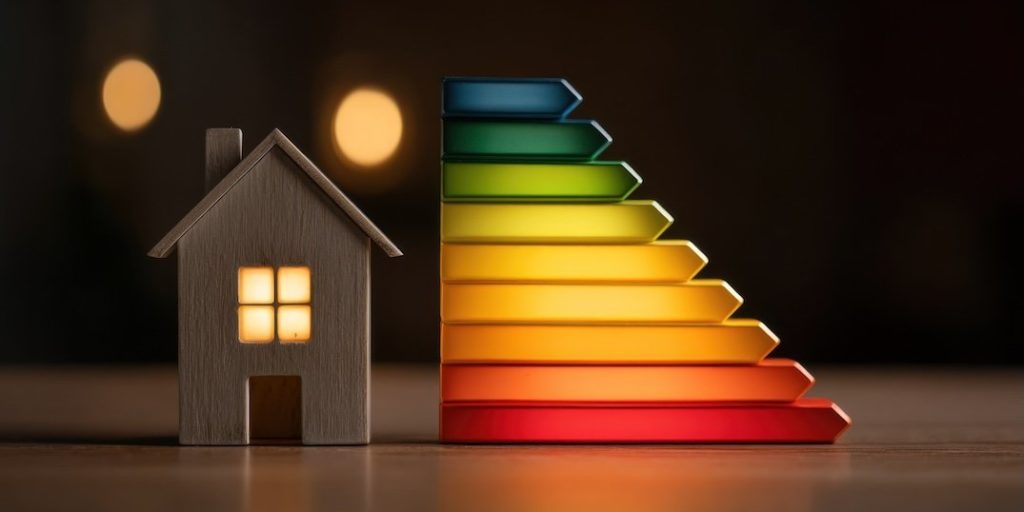
The good news for the BTR sector is that it is starting from a strong position. Recent research from Bidwells, analysing over 2,500 lines of data across the UK’s operational multi-family stock, reveals that more than 88% of all BTR homes achieve an Energy Performance Certificate (EPC) of C or above. Driven largely by their new-build nature, these assets significantly outperform the broader traditional housing market, where older existing stock often languishes in Band D. However, maintaining and improving these strong EPC ratings—especially as the 2030 Band C mandate approaches — requires constant operational vigilance.
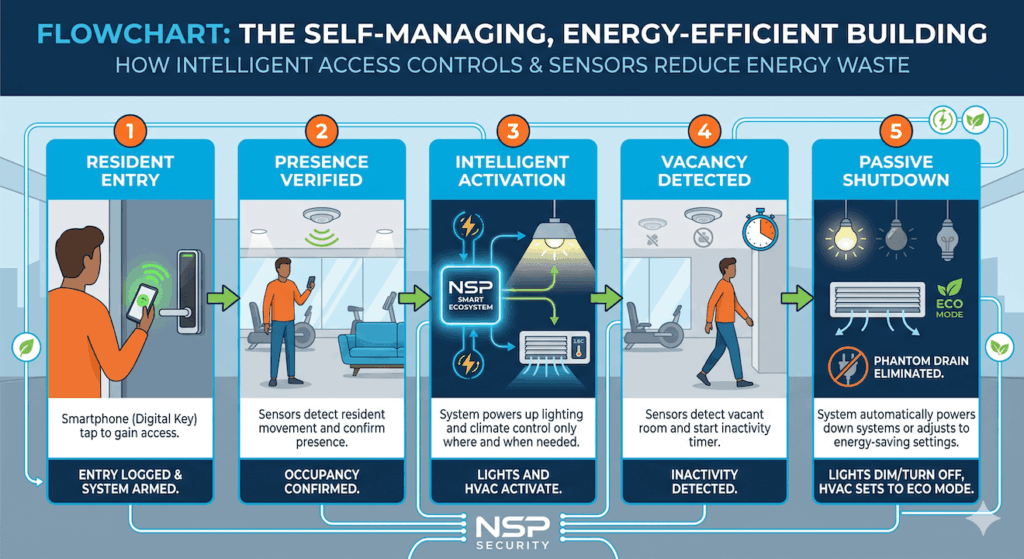
With this in mind, the industry focus has shifted toward the “self-managing building” where smart access and environmental sensors work in tandem to automate efficiency, protect margins, and elevate the tenant experience.
Charlie Lemmon, Senior Community Manager at Greystar, spoke to us about how technology is reshaping the sector.
“We are actively investing in future-focused technologies and have already implemented a range of smart solutions to enhance our day‑to‑day operations,” notes Lemmon. “Across our portfolio, we currently utilise lighting, air‑quality and motion sensors to drive efficiencies in electricity and gas usage, alongside automated leak‑detection systems, which have delivered significant reductions in water consumption.”
Eliminating the “phantom drain”
The bulk of a development’s energy footprint—and operational friction—comes from heating and lighting spaces when they are unoccupied. To combat this, leading operators are moving past manual checks and relying entirely on automated hardware.
For operators, energy-saving technology such as NSP Security’s motion sensors that can be integrated directly into the access control ecosystem is vital. When an amenity space or home is empty, the sensors passively kill the lights and drop the heating, eliminating human error and the need for late-night staff sweeps. Furthermore, as Lemmon points out, this hardware provides “valuable data that supports more informed strategic decision‑making, from shaping capital expenditure programmes and preventative maintenance planning.”
While reducing energy wastage is a pull for operators, what about the push that is environmental, social and governance (ESG) regulations? Historically, these were often viewed as long-term corporate aspirations, but is that still the case? According to Lemmon, the grace period is over, and these are now an everyday concern.
“ESG pressures are no longer just a future concern for operators but are now very much part of our day-to-day decision-making,” says Lemmon. “We are also seeing increased regulatory expectations that align with sustainability, resident experience and cost control goals.”
In 2026, then, this alignment of sustainability and cost control is critical. A building that bleeds energy is no longer just an environmental liability; it is an immediate financial and regulatory risk.
The “frictionless” resident experience
While this technology helps protect yields, the front-end interface is what wins and keeps residents. Lemmon emphasises that for modern renters with a digital-first lifestyle, the physical key asset is rapidly becoming a relic. In particular, he noted that there has been a significant increase in smartphone use for smart access compared to fobs and keycards over the last 12 months.
“When residents become aware of the fully smartphone-based system, they are eager to download their virtual key card and will, at that point, move to a virtual experience over the key card,” says Lemmon.
This shift toward mobile access does more than merely save front-of-house teams the logistical headache of cutting and cataloguing keys during busy move-in periods. It serves as the foundation for long-term tenant loyalty. In a market where operators are fighting for every lease, convenience is the ultimate amenity.
“Smart technology plays a key role in attracting residents, but its biggest impact is on retention by making everyday life simpler,” Lemmon emphasises. “Having everything in one place, from smartphone access and maintenance requests to messaging on‑site teams and viewing relevant information, creates an effortless experience from the moment a resident signs their lease. That ease continues throughout their stay, removing friction from day‑to‑day living and helping residents feel supported and in control.”
Smart is now essential
It’s clear then that the era of waiting to see how smart technology evolves has passed. To thrive in the current BTR landscape, operators must adopt infrastructure that aggressively targets energy waste, whilst simultaneously providing a flawless, app-driven lifestyle for residents. By embracing smart access and integrated sensor technology, developments can cement their high EPC ratings and achieve the ultimate goal: a secure, sustainable building that satisfies residents and helps maintain yields.
To discuss how we can help you lower your energy costs, get in touch with our specialist team today!